
Knowledge: the first step

We firmly believe that acquiring fundamental knowledge through field research is the cornerstone of any in situ conservation program.
Our work focuses primarily on European and African bird species, through:
- Direct observation and monitoring
- Biotelemetry
- Population genomics
Understanding their ecological requirements, population genetic structure, and spatial use provides the basis for developing management guidelines for protected area authorities, drafting action plans, and implementing ex situ conservation programs.
Sharing: the second step
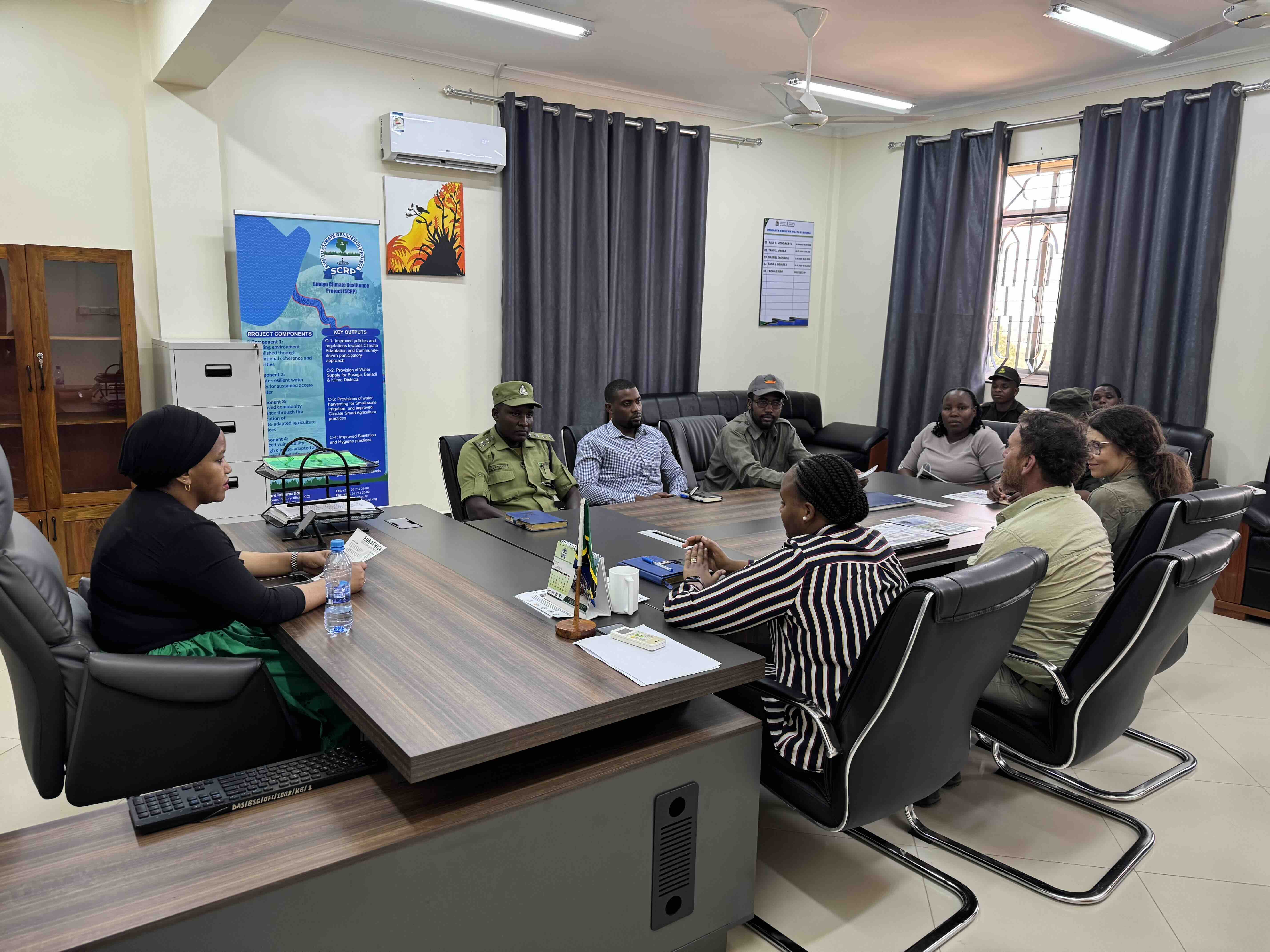
Research alone is not sufficient to ensure conservation. Once risk factors have been identified and quantified, it is essential to translate results into concrete actions by working closely with management bodies and stakeholders to reduce pressures on the most vulnerable populations.
Equally important is the dissemination of scientific findings. We organize and take part in educational programs aimed at the general public and local communities, fostering coexistence with wildlife.
In this way, conservation becomes a shared process—grounded in science, responsible management, and social engagement.

Evolutionarily Distinct
These species represent unique evolutionary lineages and make a significant contribution to global phylogenetic diversity. Their loss would entail the disappearance of entire branches of the tree of life, making their conservation a particularly high priority.
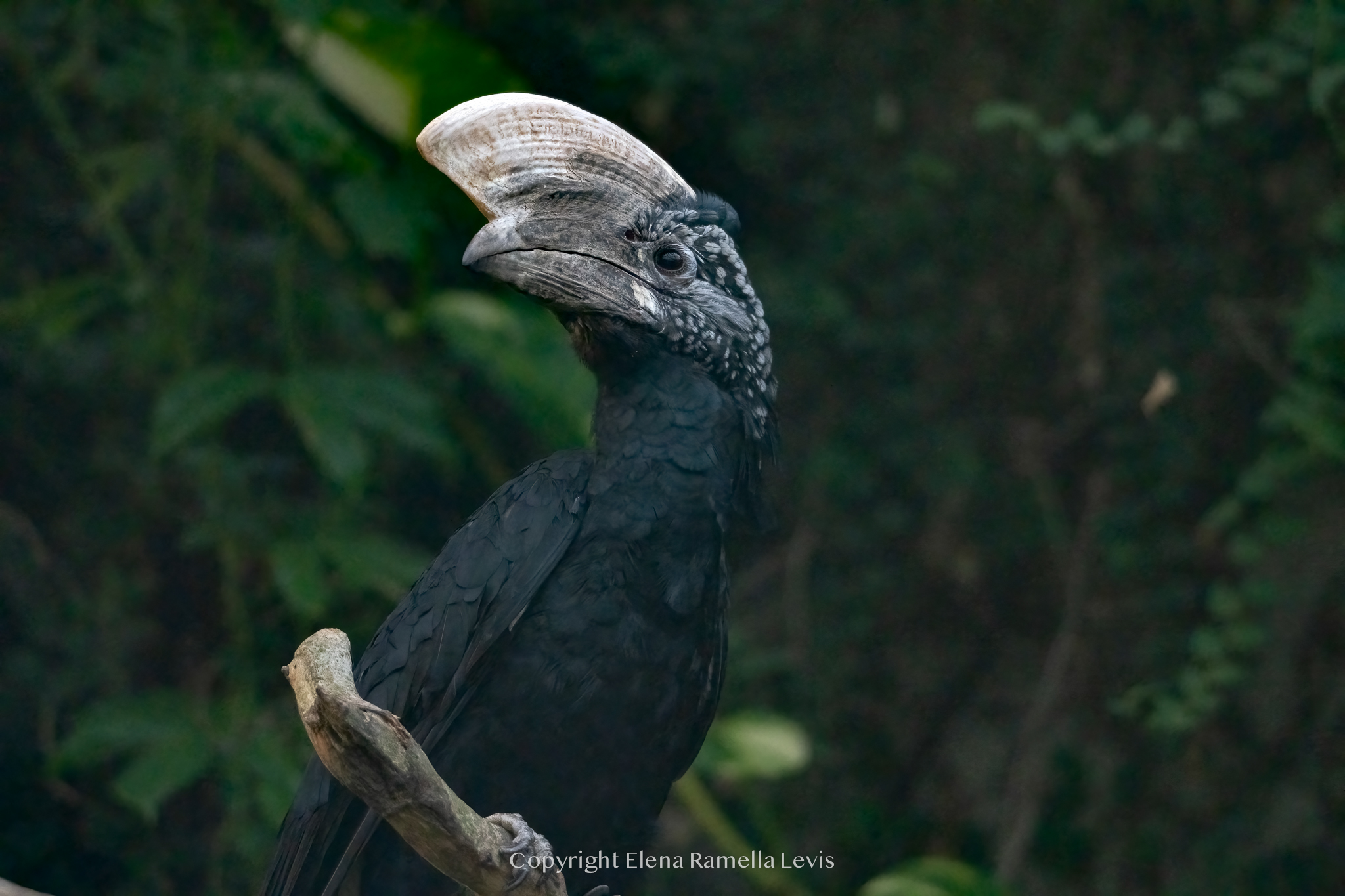
Key Ecological Role
Some species exert a decisive influence on ecosystem functioning and stability. Through processes such as regulation of trophic networks, seed dispersal, and nutrient transfer, these species play a vital role in maintaining biodiversity.
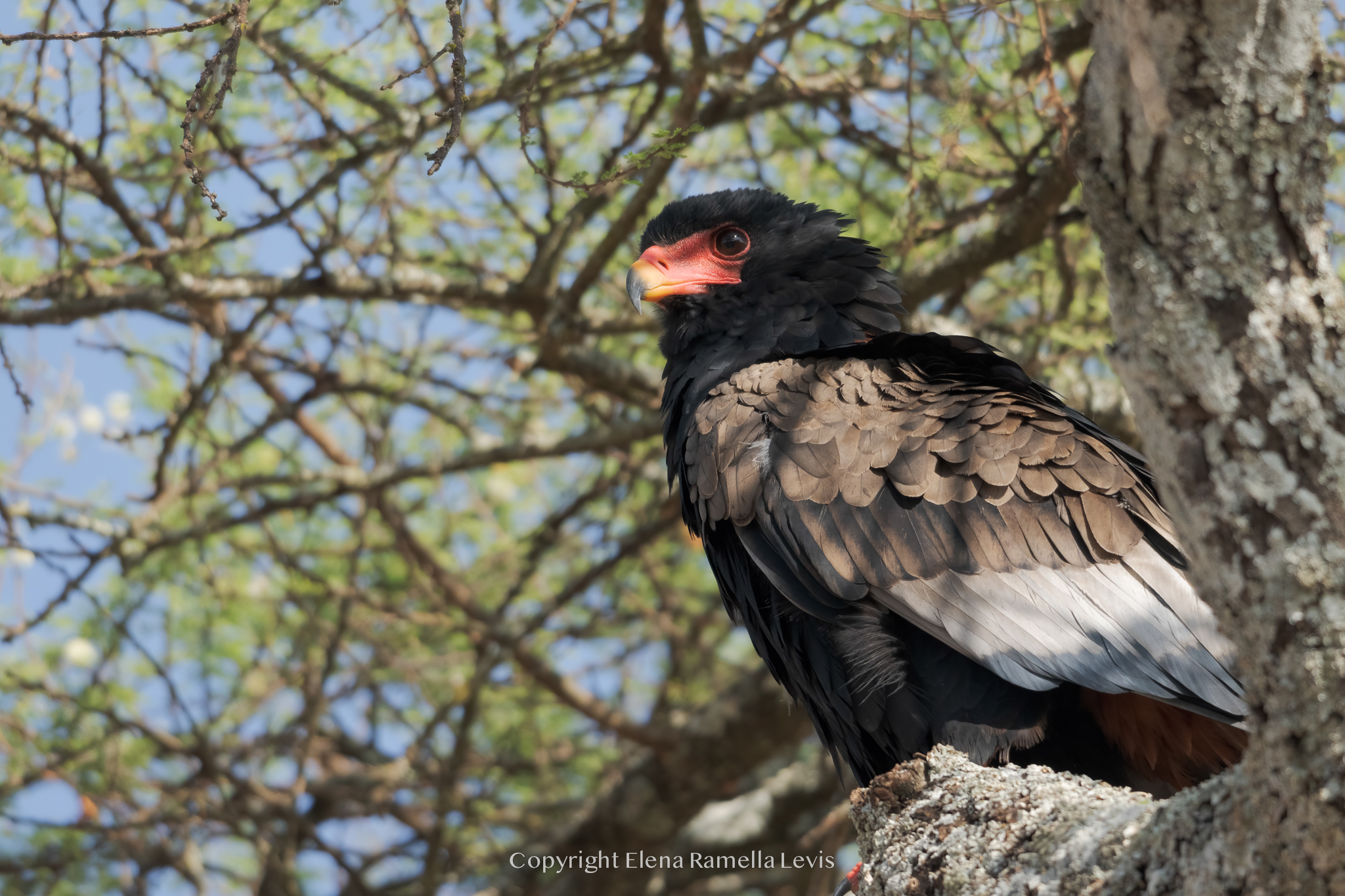
Threatened
Studying these species is essential to identify the causes of their decline and to define effective conservation strategies. They often serve as indicators of ecosystem health, and their loss can trigger cascading effects on ecological processes.
NEWS
Stay up to date with our activities
-

Meeting with TANAPA at Mkomazi National Park
Mkomazi National Park is home to a few yet crucial Secretarybird breeding pairs, playing a key role in maintaining transboundary connectivity between Kenya and Tanzania within the Tsavo ecosystem. The park also serves as a…
-

Meeting with SENAPA ecologists
On January 6th, a technical meeting was held in Fort Ikoma aimed at discussing and defining potential conservation strategies for the secretarybird in the Serengeti ecosystem, one of the last key areas for the species’…
-

The secret life of Secretarybirds: breeding in the Serengeti
We present a short 7-minute video dedicated to the breeding biology of the Secretarybird in the Serengeti ecosystem. The video guides viewers through all stages of the reproductive cycle of this extraordinary raptor, from courtship…

“
Why is the capacity to evolve a necessary condition for survival?
Environmental change is an inescapable reality. Even if climate were forever frozen in its present state, the biotic environment for all species will continually change. For example, small organisms will continue to evolve, even if large ones cannot, changing the selection regime for their predators, hosts, symbionts and competitors. In addition, as natural habitats become fragmented due to the impact of civilization, extinctions and shifts in community structure and dominance will greatly change the conditions of life for all species. Given these inevitable processes, a conservation programme must provide an evolutionary potential.
O.H. Frankel & M.E. Soulé
Conservation and Evolution

